
The allure of the casino environment
The casino environment is designed to be highly stimulating, incorporating vivid colors, sounds, and lights that create an atmosphere of excitement. This sensory overload is strategically crafted to engage players on multiple levels, drawing them into the gaming experience. The thrill of winning, combined with the vibrant surroundings, can lead individuals to lose track of time and money, making it difficult to resist the allure of the next game, like non gamstop casinos.
Moreover, the design elements in casinos often encourage longer playtimes. For instance, the absence of clocks and windows can create a sense of timelessness, contributing to the phenomenon known as “temporal myopia,” where players become oblivious to reality outside the gaming floor. This psychological trickery plays a crucial role in driving decision-making processes, leading players to gamble longer and more often than they initially intended.
The role of cognitive biases
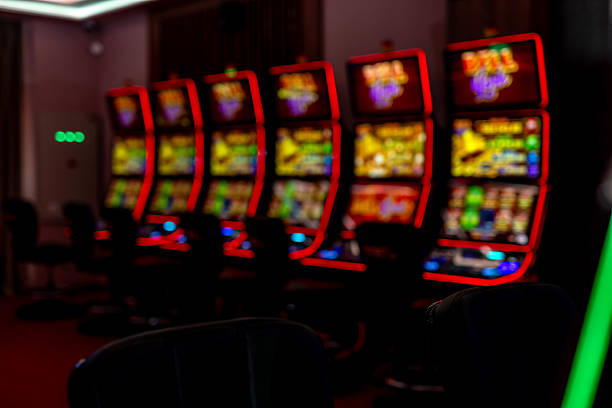
Cognitive biases significantly influence how casino players make decisions while gambling. One of the most prevalent biases is the “gambler’s fallacy,” which is the belief that future gambling outcomes will be affected by past results. For example, a player might assume that after a series of losses on a slot machine, a win is “due,” leading them to continue playing despite increasing losses. This fallacy can perpetuate a cycle of risky decision-making, as players feel compelled to chase their losses.
Another cognitive bias that affects decision-making is the “confirmation bias,” where individuals tend to seek out and remember information that confirms their preexisting beliefs about luck and skill. When players believe they have a “lucky” strategy or machine, they may overlook contrary evidence, such as their overall losses. These biases shape how players interpret their experiences in the casino, often reinforcing continued gambling even in the face of negative outcomes.
The impact of social influences
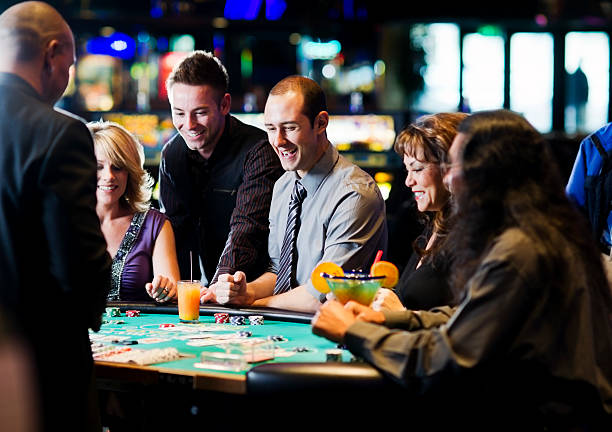
Social dynamics also play a significant role in shaping casino player behavior. Peer pressure and social facilitation can lead individuals to gamble more than they typically would in a solitary setting. The presence of others can create an environment where players feel emboldened to take risks, driven by the excitement and camaraderie of fellow gamblers. This social element can alter individual decision-making, as the desire to fit in or impress peers often outweighs logical assessment of risks.
Furthermore, the observation of other players winning can incite a competitive urge to participate, encouraging individuals to overlook the probability of outcomes. Casinos often leverage these social influences through group gaming experiences that heighten excitement and risk, ultimately impacting how decisions are made.
The psychological effects of winning and losing
The emotional responses elicited by winning and losing in a casino can dramatically influence player behaviors. A win can create a powerful rush of dopamine, reinforcing the desire to continue gambling. This positive feedback loop can lead players to chase wins, often ignoring the reality of their overall gambling habits and expenditure. The euphoria of winning may lead to overconfidence in their gambling strategies, culminating in riskier behavior.
Conversely, the psychological impact of losses can trigger a myriad of responses, including frustration, denial, and compulsion to recoup losses. This phenomenon, known as “loss chasing,” can push players to make increasingly irrational decisions, gambling more in hopes of getting back to even. Understanding these psychological effects is crucial for both players and those looking to support responsible gambling practices.
Empowering balanced decisions in gaming
As the exploration of casino player behavior reveals, understanding the psychological underpinnings of gambling can empower individuals to make more informed decisions. With the right resources and insights, players can cultivate a healthier relationship with gambling, prioritizing moderation and mindfulness over impulsivity. Communities focusing on mental well-being can provide valuable support to those navigating their gaming experiences.
By promoting awareness of psychological principles and fostering discussions around responsible gaming, players can learn to balance enjoyment of the casino with the necessity of self-control. Engaging with a community that emphasizes personal growth and well-being can further enhance an individual’s ability to manage their gaming habits effectively, leading to a more fulfilling life both inside and outside of the casino.